
As someone who has spent most of his career thinking about growth, positioning, and distribution, I’m endlessly fascinated by one thing:
How the same message can live two completely different lives depending on how it’s packaged.
Because most of the time, the problem isn’t the idea.
It’s the delivery.
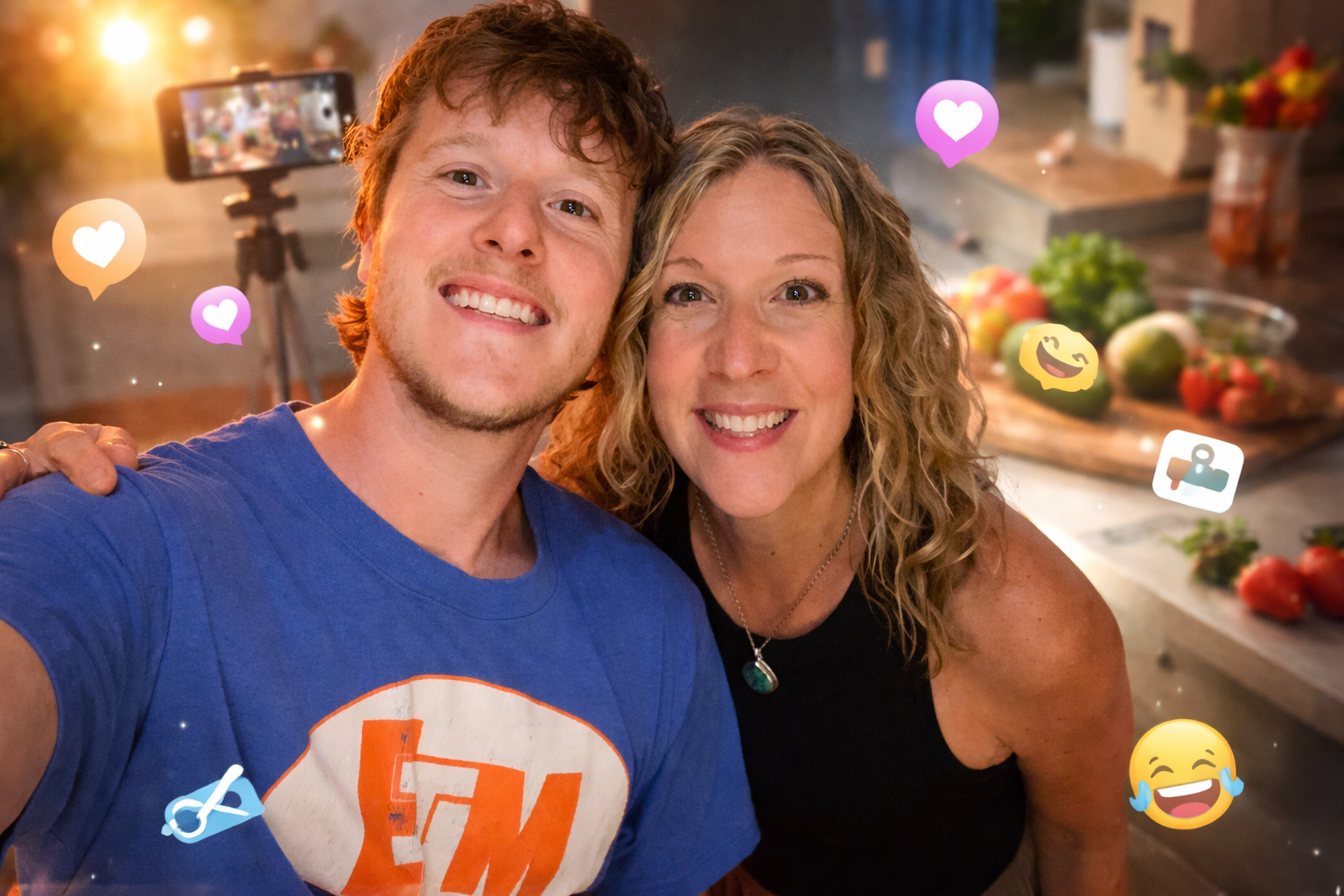
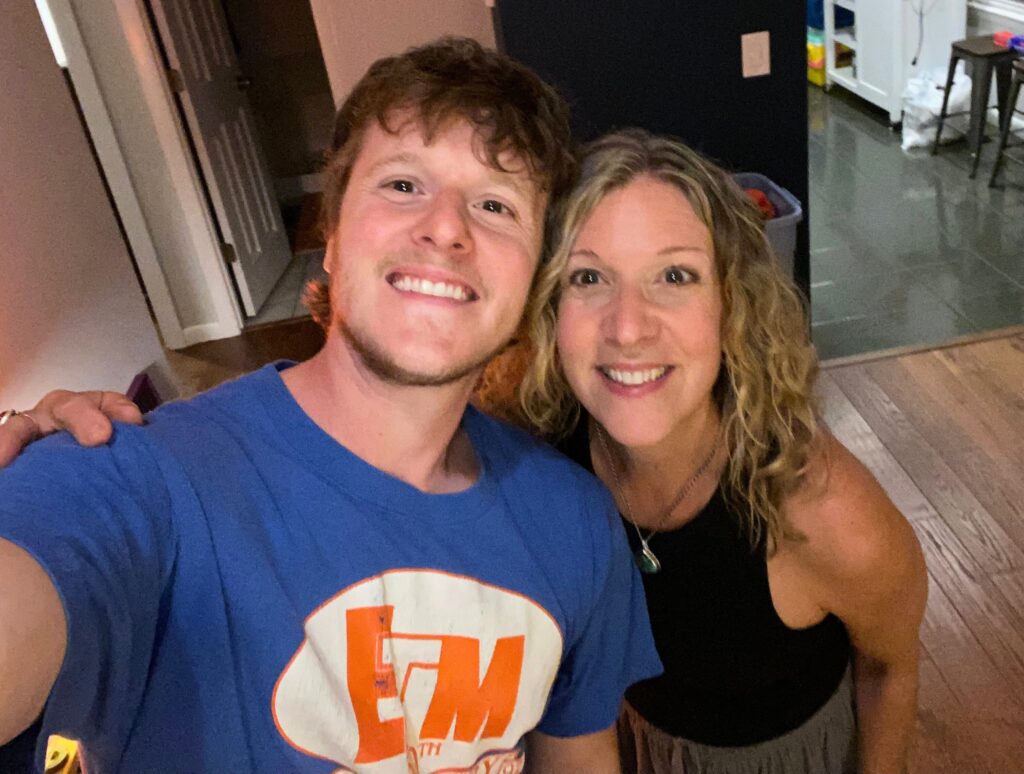
I recently had the chance to talk with Heidi Schauster and her youngest brother, John Schauster, about what happened when she handed over her Instagram reels to him.
The short version?
The message didn’t change.
The reach exploded.
The longer version is much more interesting.
“My platform was abysmal.”
Heidi told me very candidly that she never really trusted social media. She’s 54. She didn’t grow up with it. Her referrals came through professional networks. Her clinical practice was already full.
Social media felt… suspicious.
“I didn’t really know how to use Instagram as a business tool,” she said. “I’ve always been suspicious.”
But she’s also an author, and for her third book, she wants to go the traditional publishing route. And if you’ve ever spoken to a publisher about nonfiction, you know what they ask about almost immediately:
Your platform.
“In order to interest a publisher in a nonfiction book proposal, you have to have a platform,” she told me. “Mine was abysmal.”
She had been stuck at around 2,000 Instagram followers for years. She was active on Substack, but her target audience, young adults, wasn’t there. They were on Instagram and TikTok.
So she had to decide: either ignore the medium or learn to use it properly.
The sibling handoff
The turning point wasn’t some big strategy session. It was organic.
During Eating Disorders Awareness Week, Heidi and her daughter made a few playful videos together. Her youngest brother, John, already comfortable online and skilled at editing, started adding small touches.
A cutaway. A joke. A timing tweak.
“At the very beginning,” John told me, “I just thought the videos needed to be a little faster, with quicker edits and fewer pauses.”
That’s it. No massive reinvention. Just tightening.
But somewhere along the line, he noticed something else.
“Maybe I could capitalize on some of the little quirks that Heidi has.”
That’s when it got interesting.
The humor question
Let’s be honest. Heidi works in trauma, eating disorders, and embodiment; not exactly light material.
So I asked her directly if adding humor felt risky.
“Absolutely,” she said. “I’m sure I’ve scared away a few sensitive folks.”
But then she added something important:
“The importance of getting wholesome and important messages out far and wide — in a language that young people can fully appreciate — is worth it.”
That’s the tension most experts feel.
Will humor make me look unserious?
Will people miss the depth?
According to Heidi, the comments answered that question.
People weren’t just laughing. They were saying things like:
- This reminded me to eat.
- I needed this today.
- I’ve watched this ten times.
- This might have cured my depression.
And maybe my favorite observation she shared:
“Some people have said they would scroll by this content if it wasn’t for the edits, but in the end, they liked the message too.”
Read that again.
They would have scrolled past the original.
The humor didn’t dilute the message.
It delivered it.
John’s line in the sand
I wanted to make sure this wasn’t just chaos masked as strategy, so I asked John how intentional the humor is.
“I don’t really put heavy edits on the sections where Heidi is speaking directly to the camera,” he explained. “And I certainly don’t poke fun at the message itself.”
The jokes live in the margins. In the cooking shots. In the pacing. In the generational sibling dynamic.
And occasionally, yes, in the fart sounds.
Heidi admitted she initially thought those were too juvenile.
“Honestly, everyone loves having the serious older sister farting in the middle of a serious moment. It’s pure gold.”
Sometimes, the most unexpected creative decisions are the ones that unlock distribution.
The part that surprised me most
Her practice was already full.
She wasn’t making reels because she needed clients.
She wasn’t monetizing them.
What changed wasn’t her waiting list; it was her geographic reach.
People in remote parts of Canada, places without strong mental health infrastructure, were telling her that her content inspired them to read her books or take better care of themselves.
That’s scale.
And that’s different from revenue.
“If someone told me five years ago that I would be giving social media this much attention, I would have laughed heartily,” she told me. “Now I’m taking it very seriously.”
She’s even exploring doctoral research around content creation as a public health vehicle.
That’s not influencer energy.
That’s strategic evolution.
The sibling magic
There’s another layer here that you can’t fake.
They are the oldest and youngest of seven siblings. Twenty-one years apart.
“He seriously only asks that I pay him in scones,” Heidi said.
To which John quickly clarified: “Her scones are legend.”
What makes this work isn’t just editing skills.
It’s trust.
Heidi doesn’t micromanage him. She does a first pass on the footage and then lets him go.
“I could care less about how I’m viewed at this stage of life,” she told me. “And I have a LOT to say.”
That lack of ego protection is probably the single biggest growth hack in this entire story.
So what’s the takeaway?
If you’re an expert sitting there thinking, “My work is too serious for social media,” Heidi would probably tell you what she told me:
“If you want to reach people — especially young people who spend way too much time on social — you are missing a golden opportunity by avoiding it.”
The message doesn’t need to change.
But the delivery might.
Faster pacing.
Platform-native storytelling.
Lower friction.
Emotional safety through humor.
Same message.
Different mechanism.
And sometimes, yes, the fart sound stays.
If you’d like to follow their ongoing creative chaos (and clinical brilliance), you can find Heidi Schauster on Instagram at @heidischauster and on TikTok at @nourishingwords, and explore her writing and work at anourishingword.com. For more of the editing genius and the humor that somehow makes serious topics land deeper, you can follow John Schauster on Instagram at @johnschauster and on TikTok at @johnschauster. Their sibling collaboration is clearly just getting started.